
What changed
A feature that took three weeks can take three days. Build time is no longer the constraint it was.
For Heads of Product & Product Leaders
AI coding tools compressed build time. Deciding what is worth building, aligning the team, and carrying decisions through the organisation did not.
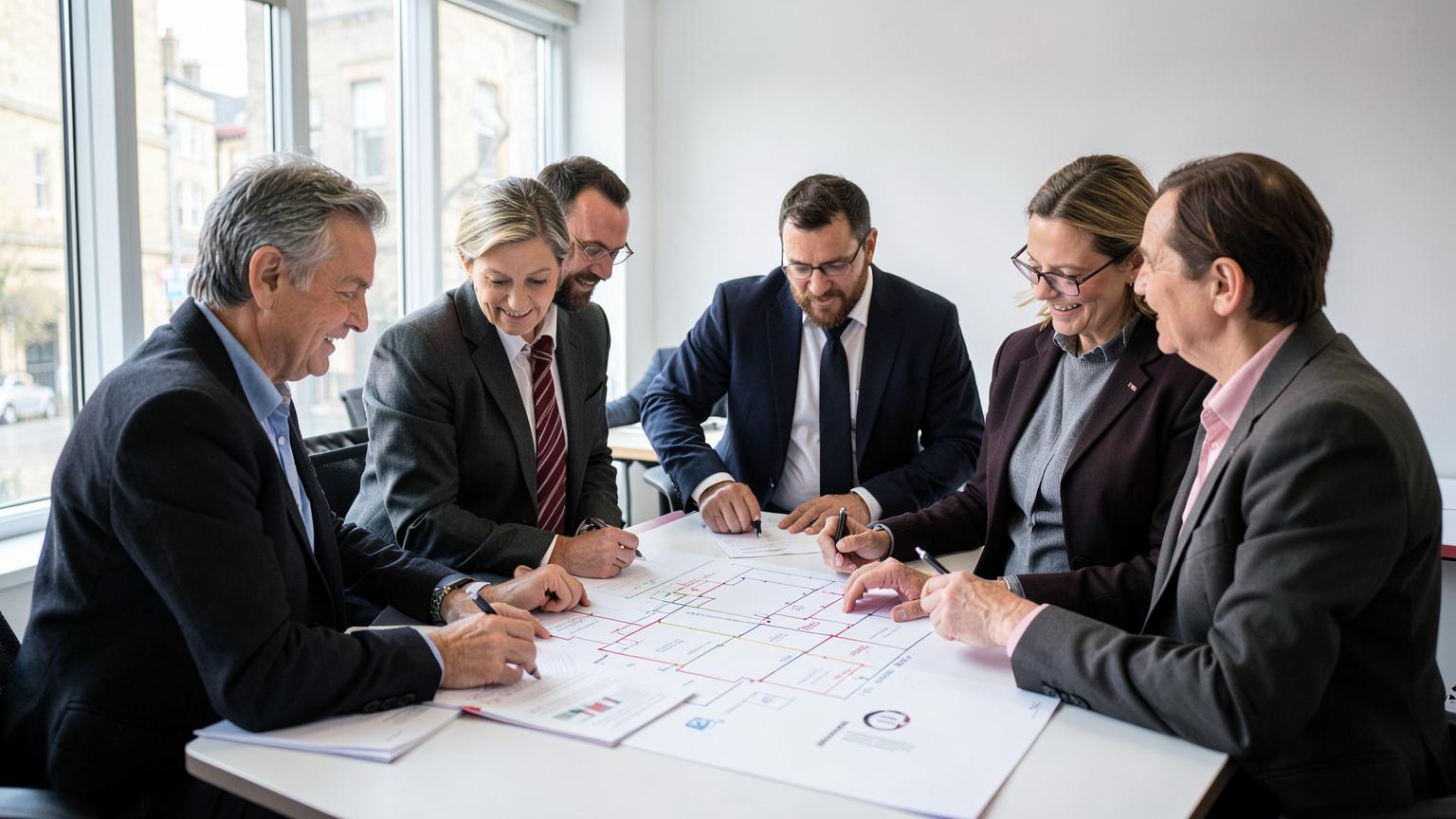
The queue moved
A Head of Product can feel underwater even when nothing about their own performance changed. The team around them simply got faster.
A feature that took three weeks can take three days. Build time is no longer the constraint it was.
The queue moved from engineering to product. Engineers wait; specs arrive late.
Deadlines keep tickets moving. Customer calls and decisions about what not to build disappear first.
The split
Ops work → goes to AI
Moving information around: collecting, sorting, formatting, chasing, and restating.
Good means it happens without anyone remembering to. Nobody owns it; it is machinery.
Thinking work → stays human
Judgement: what is true, what matters, and what happens next.
A person. Always. Better inputs, with more of the week free to do the work.
The thinking work is augmented by AI but owned by humans; the ops work goes to AI entirely.
What one7x changes
Product work becomes fast enough to match engineering—and product people recover the time to spend on customers, thinking, and strategy.
Find one costly operational workflow
Agree what it costs before changing it
Rebuild it inside the team's existing systems
Measure the change against the agreed baseline
What this is not
A free working conversation to identify where operational work is slowing the team—and what it costs today.
Book a Strategy Call